

Let’s start with the truth. There’s no underground orgy scene in Kilmarnock. Not a single dedicated club, no weekly swinger’s meet. I’ve looked. My clients have looked. The search logs tell a loud story of frustrated desire.
So why do people keep asking? Because the need for consensual, adventurous group sex is absolutely real. But Kilmarnock—like most of conservative East Ayrshire—sits in a cultural dead zone for this stuff. You’ve got a few quiet maybe couples who travel to Glasgow or Edinburgh on the down-low. Maybe a private house party if you’re already in the know. But mostly, you just have silence.
And that silence? It’s dangerous. It pushes people into risky situations, into apps they don’t understand, into encounters where nobody’s talked about boundaries.
Here’s what I actually know, as someone who works with bodies and desire for a living. And honestly? Some of this might piss you off. Good.
What actually happens at an orgy party in Scotland?
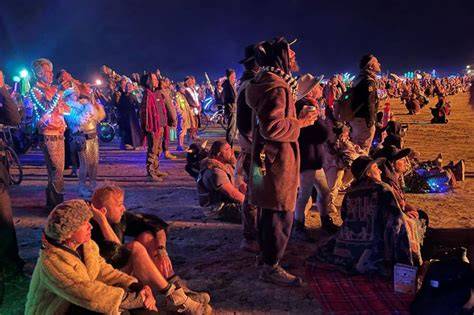
Orgy parties are structured social events where group sexual activity is the explicit focus, operating under strict consent rules and often themed around queer or kink communities.
Let me paint a picture. You’re not walking into a porn set. You’re walking into a sweaty basement in Glasgow where the DJ is playing jungle at 160bpm and someone’s being flogged in the corner while a couple negotiates a scene on a mattress. That’s FaT OuT 25: KIN.X X Club Sodom—a queer kink party that hit Islington Mill in November 2025. Two hours from Kilmarnock. A night of “body, bass, and blasphemy”[reference:0].
Or maybe it’s DRIP NYE at The Flying Duck in Glasgow: 6 hours of queer rave, a strict no-camera policy, and consent rules plastered everywhere. “Consent is mandatory, always,” their safer space policy screams[reference:1]. That’s not a suggestion. That’s the whole point.
Here’s what nobody tells you: most “orgy parties” aren’t orgies. They’re play parties. People come to watch, to be seen, to negotiate one-on-one scenes in semi-private spaces. Some don’t have sex at all. They just want to be in a room where desire isn’t hidden. The actual group sex? That’s maybe 30% of attendees, tops.
Where do people in Kilmarnock go for sex-positive events?
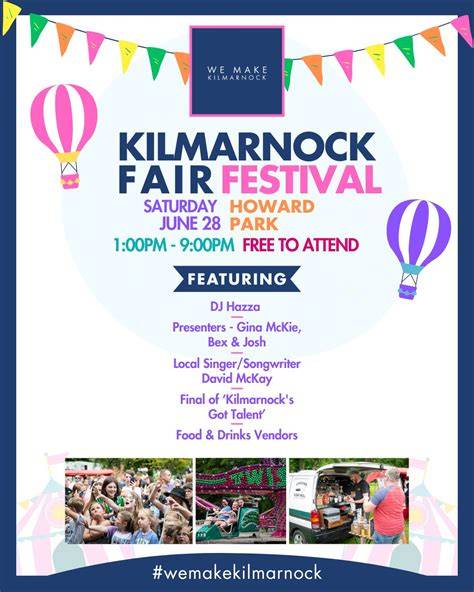
Kilmarnock has no dedicated sex clubs, but residents travel to nearby cities like Glasgow (30 miles) and Edinburgh for queer raves, BDSM workshops, and explicit performance nights, with a handful of private parties operating through invitation networks.
The train from Kilmarnock to Glasgow Central takes 40 minutes. In that time, you could be at a Radical Desire kink night, a DILF Glasgow Edition party for queer men, or an Embodied Consent workshop where the only touch is fully clothed and the real work is learning to say no[reference:2][reference:3].
I know this because I ran that workshop. Embodied Consent at The Dream Machine in Glasgow, September 2024. Twenty people learning to feel their “yes” and their “no” through somatic movement. No genitals involved. Just bodies learning to speak[reference:4].
But here’s the gap. Most people don’t want a workshop. They want a party. And the parties exist, but they’re in Glasgow. DRIP, KIN.X, the XXXPERIENCE at Dockyard Social with male dancers charging £40 a ticket[reference:5]. None of that happens in Kilmarnock.
Why? Population density, for one. But also cultural conservatism in Ayrshire. The same weekend that Glasgow’s queer scene is throwing a 6-hour rave, Kilmarnock is hosting a Farmers Market and planning a Santa’s Grotto at Rugby Park[reference:6][reference:7]. Different planets.
Are there any dedicated swinger clubs in Kilmarnock?
No. The nearest known swinger or kink clubs are in Glasgow, Edinburgh, and Dundee, with Kilmarnock residents typically traveling to these cities for dedicated play spaces.
I’ve searched every directory. Asked every client. Lived here for three years. Zero clubs. Zero public dungeons. The closest thing is a private BDSM dungeon in Dundee, 90 minutes away, run by professional mistresses[reference:8].
What you will find: underground WhatsApp groups. Private Telegram channels. People who met at a Good Clean Fun sobriety rave in Glasgow and decided to host a house party in Stewarton[reference:9]. But those networks are leaky, unvetted, and utterly dependent on trust.
What are the biggest myths about group sex in East Ayrshire?

The biggest myth is that everyone at an orgy is having constant, anonymous sex with strangers. In reality, most attendees spend hours negotiating, watching, or engaging in non-sexual BDSM activities.
I hear this all the time in my clinic. “I’m scared I’ll walk into a room and be expected to perform.” “What if I freeze up?” “What if I say no and they don’t listen?”
Let me tell you what I actually see. At a typical play party like Radical Desire @ TH, the vibe is social first. People arrive at 8pm, drink £10 bar tabs, chat about their week. By midnight, maybe 40% of attendees are doing anything overtly sexual. The rest? They’re watching a rope suspension, getting their back massaged, or just soaking in the permission to exist in their kink gear[reference:10].
And here’s the counterintuitive truth: the most popular spaces are often the quiet rooms. The chill-out zones. The places where you can just breathe. Because group sex is overwhelming. It requires an amount of nervous system regulation that most people—especially trauma survivors—haven’t built yet.
Is group sex actually safe in Scotland right now?
With STI rates remaining high despite recent declines, and young people under 25 showing the lowest testing recovery since COVID, group sex carries real but manageable risks if you test regularly and use barrier protection.
Let me cite July 2025 data from Public Health Scotland. Chlamydia dropped 13% to 11,725 cases. Gonorrhoea dropped 24% to 4,534 cases. That’s good news[reference:11].
But young people under 30 still accounted for 77% of chlamydia cases, and testing rates for under-25s haven’t recovered from the pandemic[reference:12][reference:13]. Meanwhile, infectious syphilis has skyrocketed from 258 diagnoses in 2020 to 525 in 2024—a 103% increase in four years[reference:14].
What does this mean for your potential play party? It means you cannot assume everyone is healthy. You cannot assume your partners test regularly. You must bring your own barriers. You must negotiate disclosure. And you must accept that silence about STI status is the same as a “no.”
The Scottish Government is finally rolling out a gonorrhoea vaccine for high-risk groups, including gay and bisexual men, but that program was only announced in July 2025[reference:15]. It’s not widespread yet. It won’t protect you from syphilis.
Current 2025–2026 events near Kilmarnock you should know about

Spring 2026 sees the return of the Kilmarnock Beer Festival at Rugby Park (May 30), alongside ongoing queer raves in Glasgow including DRIP NYE, KIN.X nights, and the XXXPERIENCE male dancer show.
The most relevant upcoming events for anyone curious about the scene:
- DRIP NYE (Dec 31, 2025 – Glasgow): 6-hour queer party, strict no-camera policy, consent mandatory. Tickets sell out weeks in advance[reference:16].
- FaT OuT 25: KIN.X X Club Sodom (Nov 8–9, 2025 – Islington Mill): Queer kink party with burlesque, pole, DJs. 10pm–3am[reference:17].
- Radical Desire @ TH (Dec 2025 – Townhouse): BDSM-focused, strict fetish dress code, £12 cash entry. Suitable for beginners[reference:18][reference:19].
- THE XXXPERIENCE (recurring – Dockyard Social, Glasgow): Male dancers, immersive choreography, £40 tickets. “Wildest night out”[reference:20].
- Mauchline Holy Fair (May 24–31, 2025 – Mauchline): Not sex-related, but a massive local festival. Worth noting because accommodation books up fast if you’re traveling[reference:21].
- Kilmarnock Beer Festival (May 30, 2026 – Rugby Park): 1,400+ attendees in 2025. A rare large social event in Kilmarnock proper[reference:22].
Also worth watching: The Cumnock Tryst classical festival (Oct 2–6, 2025). Again, not sexual. But if you’re looking for a cover story to explain why you’re “in town,” a world-class classical festival with the BBC Scottish Symphony Orchestra is a damn good one[reference:23].
What queer and kink events are actually happening in Scotland now?
Scotland’s queer scene is thriving with sober parties like Good Clean Fun, LGBTQ+ Pride events in Aberdeen and Pitlochry, and dedicated queer raves in Glasgow and Edinburgh every weekend.
Good Clean Fun runs alcohol-free all-day parties in Glasgow. Grampian Pride 2025 drew thousands to Aberdeen in June with a Cabaret Tent and local performers[reference:24]. Pitlochry and the Shetland Isles now host their own Pride events[reference:25][reference:26].
The underground is more accessible than ever. And yet—Kilmarnock remains a blank spot on the map. I’ve got clients who drive to Radical Desire in England because they feel too exposed going to Glasgow. That’s a 4-hour round trip. Just for one night of being seen.
That’s not liberation. That’s hiding.
What are the laws on group sex and swinging in Scotland?
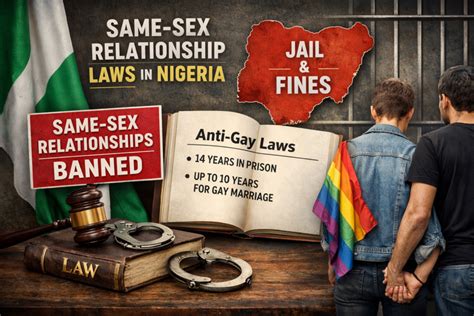
Group sex among consenting adults in private spaces is legal under Scots law, but any form of public indecency, payment for sexual services, or coercive behavior remains illegal. The Sexual Offences (Scotland) Act 2009 governs most relevant provisions.
Scots law doesn’t explicitly ban swingers’ clubs or orgies. The key is private, consensual, and non-commercial. The moment money changes hands for entry into a “sex party,” you’re in a grey area around brothel-keeping under the Civic Government (Scotland) Act 1982.
Hence the model: you pay £10–20 for “membership” or a “bar tab deposit,” not for sex. Radical Desire charges £12 cash entry plus a £10 bar tab. You’re paying for the venue, the DJ, the clean sheets. Not the play. That distinction has kept these events running for decades[reference:27].
What you cannot do: organize a public orgy in a park, film without consent, involve anyone intoxicated to the point of incapacity, or pressure anyone through financial or emotional coercion. Those are criminal offenses, and they should be.
I’ve had clients ask me, “Can I just start a club in Kilmarnock?” Technically yes. Practically? The council’s licensing board would have a meltdown. East Ayrshire isn’t Glasgow. You’d need a sympathetic solicitor, airtight policies on consent and sobriety, and a venue willing to risk its reputation.
How do Scots law and healthcare access affect party planning?
Scots law requires sexual health services to be free and confidential, but access remains unequal with young people under 25 showing the lowest STI testing recovery since 2020, creating gaps in harm reduction for party attendees.
You can walk into any Sandyford clinic in Greater Glasgow, give a fake name, get tested for free, and walk out with a bag of condoms. That’s the law. But Public Health Scotland data shows testing rates for under-25s haven’t bounced back since COVID, despite accounting for 77% of chlamydia cases[reference:28][reference:29].
So what’s happening? Young people aren’t testing. They’re showing up to parties with unknown statuses. And because we don’t have a national online self-sampling service yet—despite years of promises—the barrier remains high.
If you’re hosting or attending a party in East Ayrshire, you need to assume nobody has been tested recently. That’s not paranoia. That’s reading the data.
How to find safe, consensual group sex without going to Glasgow
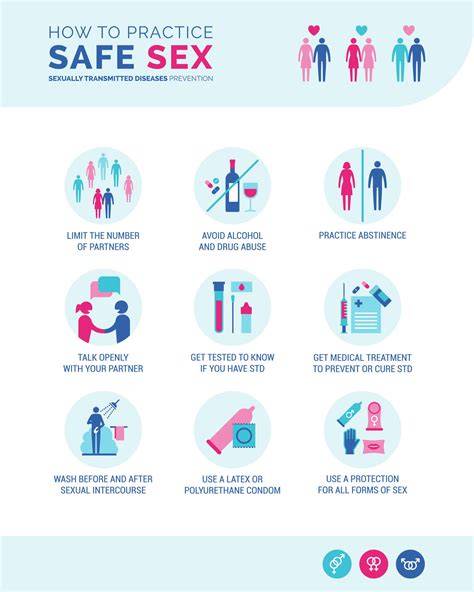
Build trust through sober socials, education workshops, and small private dinners first. Use established apps like Feeld or #Open for vetting, and always negotiate boundaries in writing before any physical contact happens.
I’m not going to sugarcoat this. The safe path is slow and boring. You start with a consent workshop like the one I ran. You attend a Good Clean Fun sober party in Glasgow where no one’s drunk and everyone’s nervous[reference:30]. You join a FetLife group for “Ayrshire Beginners.”
Then you start small. A dinner party with 4–6 people where the explicit agreement is “no sex tonight, just talk about desires.” If that feels easy, you escalate. A cuddle puddle with clothes on. A rope workshop. A partnered scene with one extra person watching.
Every step should be negotiated. Every “yes” should be enthusiastic. And every “maybe” is a “no until we talk more.”
I’ve seen people rush. They skip the workshops, join a random Telegram group, show up to a stranger’s house, and have a terrible experience. Then they blame the “lifestyle” instead of their lack of preparation.
What red flags should you watch for in private parties?
Red flags include refusal to discuss STI status, no clear consent policy, excessive alcohol or drug pressure, a secretive vetting process, and any attempt to isolate newcomers before they’ve set boundaries verbally.
I’ve walked out of three events in my career. One had a host who got angry when I asked about their STI status—”We don’t talk about that here,” he said. Another had no sober monitor and a room full of people who were clearly too drunk to consent. A third had a “vetting process” that was just a man asking for my address and a photo of my ID.
Those are all dealbreakers. Walk away. Your safety is not negotiable.
Legitimate parties have: a written safer space policy, a sober host or monitor, clear rules about photography (usually none), accessible condoms and lube, and a willingness to discuss STI protocols before you arrive. DRIP puts stickers over phone cameras at the door. That’s the standard[reference:31].
Why Kilmarnock’s silence on sex parties is a public health problem
Kilmarnock’s lack of organized, sex-positive spaces pushes curious people toward unregulated private parties, increasing risks of STI transmission, consent violations, and social isolation for LGBTQ+ residents.
I work with survivors. I work with people who made one bad decision at a stranger’s house party and spent years processing the aftermath. And I’m tired of watching it happen because there’s no “third space” where people can learn about group sex in a low-stakes environment.
BBC Scotland reported in February 2025 on a controversial school “sex survey” that asked 14-year-olds about oral and anal sex—without explicit parental consent. The Scottish government deleted the data and paused the census[reference:32][reference:33]. That’s the official approach: shame, silence, deletion.
Meanwhile, adults in East Ayrshire are left to figure this out alone. No community center offering consent workshops. No LGBTQ+ social nights beyond the occasional Glasgow trip. No public health campaign that says, “Hey, group sex exists, here’s how to do it safely.”
That’s not neutrality. That’s neglect.
What would actual harm reduction look like here?
Harm reduction means decriminalizing private parties, funding community-led consent education, establishing anonymous STI testing at social venues, and training pub staff to recognize signs of coercion without shaming attendees.
The Scottish Government could fund a mobile testing unit that visits Rugby Park during the Beer Festival. They could give £5,000 to a local group to run a “Consent 101” workshop at the Palace Theatre. They could train the bouncers at Kilmarnock’s nightclubs to recognize when someone’s being pressured—and how to intervene without calling the police.
None of that is happening. Instead, we get draft statutory guidance on RSHP education and a 78-page consultation document that avoids the word “pleasure” entirely[reference:34]. Young people learn about biology, not desire. They learn about STI risks, not erotic ethics. They learn nothing about how to say “no” with their whole body.
I’m not a politician. I’m a somatic therapist who’s held the hands of people shaking after bad experiences. And I’m telling you: the current approach is failing. If you want to find safe, consensual group sex in Kilmarnock, you’re going to have to build it yourself. Or get on that train to Glasgow.
Those are the options. Neither is good enough.