

Welcome. Pull up a chair, or better yet, get comfortable somewhere you can actually feel your back against the cushions. I’m an Irish somatic therapist, currently based in Scotland, and I’ve spent years working alongside sex workers, survivors of sexual violence, and women navigating the criminal justice system. That background shapes everything I do. It means when I talk about tantric sex—especially in a specific, vibrant, complex place like Quebec—I’m not coming at it from some polished, detached “expert” angle. I’m coming at it as someone who has seen what happens when connection is forced, and what becomes possible when it’s chosen.
Quebec in 2026 is a fascinating case study. The province is experiencing a cultural and wellness renaissance. Think about it: Montreal’s summer festival scene is frankly overwhelming (in the best way), with over 350 concerts planned for the Jazz Fest alone[reference:0]. The new Montreal Metropolitan Airport (YHU) opens on June 15, making the province even more accessible for those seeking transformative experiences[reference:1]. In Quebec City, the Espace Riopelle is opening at the MNBAQ, a massive cultural moment[reference:2]. And woven through all of this—from the Eastern Townships to the Laurentians and the heart of Montreal—is a quietly booming scene for tantra, conscious sexuality, and embodiment work. So, let’s get into the messy, beautiful reality of tantric sex in Quebec, 2026.
What exactly is tantric sex, and why is it resonating in Quebec right now?
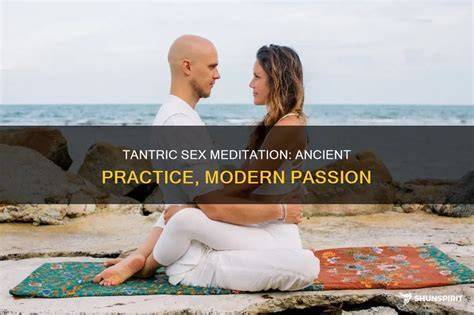
Tantric sex is a slow, meditative practice that prioritizes energy flow, breath, and deep connection over the goal of orgasm. It’s about savoring sensation and moving sexual energy throughout the body for healing and transformation[reference:3]. And in the high-speed, digitally saturated world of 2026, the desire to slow down and connect authentically is more potent than ever.
Look, most of us were taught a very specific, linear script for sex. Foreplay, penetration, orgasm, done. It’s efficient, I guess, but it’s also a terrible way to actually feel anything. Tantra throws that script out the window. It’s rooted in Hindu and Buddhist traditions, but the modern Western interpretation, often called Neo-Tantra, focuses heavily on sacred sexuality and mindfulness[reference:4]. Why is this hitting home in Quebec specifically? Because this province has a fierce, proud culture of doing things differently. The burgeoning interest in tantra in 2026 is a direct counter-movement to the sterile, swipe-right nature of dating. People are showing up to events like the Tantra Speed Date in Montreal because they’re exhausted by shallow conversations[reference:5]. They’re hungry for the kind of presence that tantra demands. It’s not just about better sex—it’s about better relating, period.
What are the biggest tantra and conscious sexuality events happening in Quebec in 2026?
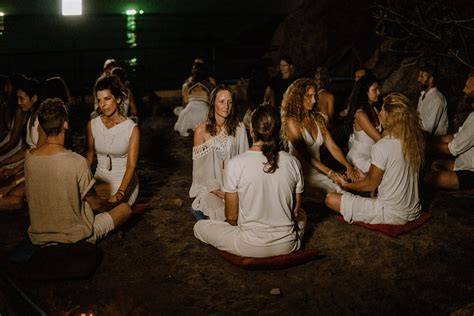
Quebec’s 2026 calendar is packed with events blending tantra, yoga, and sound healing, from the Tantra Joy Festival to intimate retreats in Chelsea. The province has become a true hub for embodied spirituality, offering everything from massive festivals to exclusive, tiny workshops.
Honestly, my first instinct when looking at the 2026 lineup was jealousy. The options are incredible. You have your large-scale gatherings, like the Tantra Joy Festival (May 29-31, 2026), which is celebrating its 6th edition[reference:6]. It’s a full weekend of workshops, rituals, and community. Then there’s the Equilibrium Festival, happening May 22-25, 2026, which weaves together ecstatic dance, breathwork, and tantra workshops in a safe, supportive container[reference:7]. For those who prefer their spirituality with a side of fresh air and downward dogs, the Flow Festival Yoga & Sound (August 22-23, 2026) in St. Adèle is a beautiful blend of yoga, live music, and sound healing[reference:8]. But my personal attention is drawn to the smaller, more intensive containers. Meg Williams is hosting “FORBIDDEN: A Couples Tantra Retreat” in Chelsea, Quebec (January 16-19, 2026). It’s limited to just 6 couples and explores kink, polarity, and desire through a consensual, sacred lens[reference:9]. That’s the kind of deep, focused work that actually changes lives. And for a more classic, grounded approach, Martin Bilodeau and Mahadevi are leading “Tantra: La Rencontre Sacrée” from June 15-17, 2026, at Centre Kio-o[reference:10]. So, whether you’re in Montreal, Quebec City, or the beautiful countryside, there’s an entry point.
How do I find trauma-informed tantra workshops in Montreal or Quebec City?
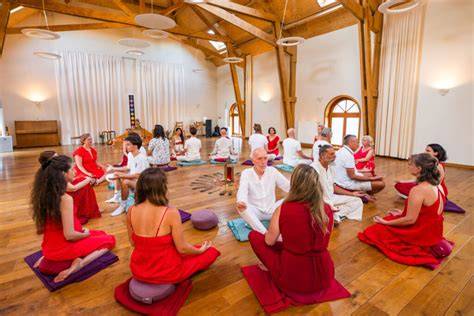
You find them by asking direct questions about facilitator training, consent practices, and their approach to emotional safety before you ever step into a room. A trauma-informed practitioner won’t be threatened by these questions; they will welcome them.
This is where my “stubborn Scorpio” side kicks in. We cannot assume that every space calling itself “tantric” is safe. Especially for survivors, which statistically make up a huge portion of any population. A trauma-informed workshop is fundamentally different. It prioritizes your nervous system over any “breakthrough.” It offers choice at every turn—you don’t have to do any exercise you’re not comfortable with. Look for facilitators who are transparent about their training (Somatica, Somatic Experiencing, or other body-based modalities are good signs)[reference:11]. In Montreal, you can start by researching the Metamorfose Network, which connects certified tantric therapists[reference:12]. Also, check out the Circle of Wellness Montreal, which provides accessible, professional online therapy and coaching across Quebec, including support for intimacy issues[reference:13]. And don’t underestimate the power of community resources. UQAM is hosting the 3rd edition of Semaine de célébration de la diversité sexuelle et de genre (March 16-20, 2026), which is a fantastic, low-pressure way to connect with inclusive, sexuality-positive groups[reference:14]. Go, meet people, and ask them where they feel safe.
What’s the legal landscape for tantric practices and sex work in Canada 2026?
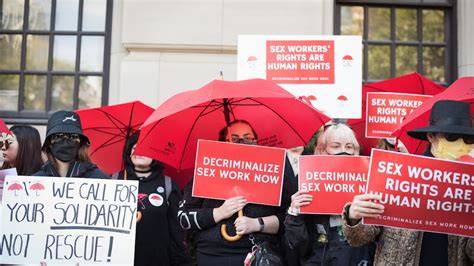
While tantric sex itself is legal and protected as a spiritual practice, Canada has specific laws regarding sexual services that can impact the framework of workshops and paid sessions. The key is understanding consent laws and the legal lines around exchange for sexual services.
Okay, let’s talk about the legal stuff because it’s important, even if it’s a bit dry. The Canadian Criminal Code sets the age of consent for sexual activity at 16[reference:15]. Consent must be ongoing and can be withdrawn at any time[reference:16]. For tantric educators offering paid sessions, the law gets tricky around the exchange of money for sexual acts. The “Nordic model” criminalizes the purchase of sexual services. However, tantric massage or coaching that is clearly framed as therapeutic bodywork or spiritual counseling, with a focus on education and energy work, operates in a different legal grey area. There’s a huge difference between “erotic massage” and a certified somatic session. That’s why it’s so critical to work with established professionals. The Ordre des sexologues du Québec regulates sex therapists, who can legally practice psychotherapy[reference:17]. If you’re seeking a practitioner for healing, look for someone registered with a professional college. This protects both you and them. Be wary of any service that can’t clearly articulate the difference between a therapeutic session and a sexual one. Your safety, legally and emotionally, hinges on that clarity.
What is the difference between a certified sexologist and a tantric practitioner in Quebec?
A certified sexologist is a regulated professional who can assess, treat, and provide psychotherapy for sexual dysfunctions and concerns[reference:18]. A tantric practitioner, while potentially highly skilled, often operates in the unregulated realm of spiritual and embodiment coaching. A trauma-informed practitioner will know their limits and refer out for clinical issues.
How does consent work in a tantric setting when energy and arousal are involved?
Consent in tantra isn’t a one-time contract; it’s a continuous, embodied conversation. “Yes, I want to try that breath exercise,” can change to “I need to stop” in the next moment. The best practitioners teach you how to track your own sensations and verbalize a “no” without guilt or explanation required.
Where can I practice tantra if I’m single or exploring non-monogamy?
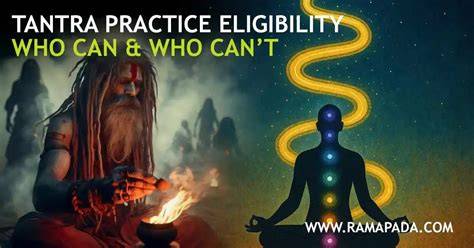
Tantra is not just for couples. Montreal, in particular, has a thriving scene for singles, polyamorous folks, and anyone curious about conscious connection, including the wildly popular Tantra Speed Date events. The practice is about your relationship with yourself first.
Let’s bust a myth right now: you do not need a partner to practice tantra. In fact, some of the most profound work is solo, learning to circulate your own sexual energy through breath and movement. For singles looking to connect, Montreal offers unique opportunities. The Tantra Speed Date on April 18, 2026, is a great example. It uses guided dyads and communication games to foster authentic, meaningful connections, moving way beyond the usual small talk[reference:19]. Over 32,000 singles have participated worldwide, with a reported 94% match rate[reference:20]. It’s not about finding “the one” immediately; it’s about practicing presence with another person. For those exploring ethical non-monogamy, the community is robust. Fierté Montréal (Pride) in August 2026 will be a massive, celebratory space to connect with the 2SLGBTQIA+ community[reference:21]. My advice? Go to events and workshops with the intention of learning, not hooking up. When the pressure is off, genuine connections have room to grow.
How do I talk to my partner about trying tantra without it being awkward?
Don’t lead with “I want to try tantric sex.” Start with a feeling: “I’ve been feeling like we’re rushing through intimacy lately. I’d love to try something where we just breathe together for five minutes, no goal in mind.” Frame it as a shared exploration, not a critique.
What if I have religious or cultural concerns about mixing spirituality with sexuality?
This is a huge one, and there’s no single answer. Many who struggle with this distinction find secular, modern tantra more accessible. It focuses on the physiological and psychological benefits of mindfulness and breathwork during intimacy, without the devotional or ritualistic elements. You get to pick what resonates.
What is the cost of tantra workshops and retreats in Quebec for 2026?
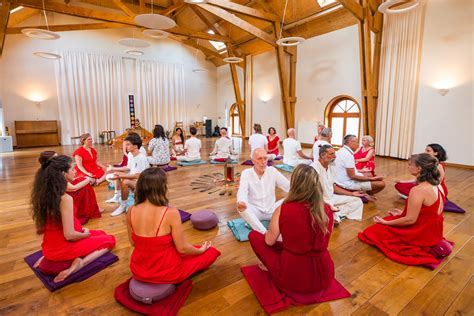
Costs vary wildly, from free community events to intensive retreats costing $3500 USD per couple, with most weekend workshops falling in the $300-$700 CAD range. This diversity means that regardless of your budget, there is likely an option open to you.
Let’s talk money. Because accessibility matters, and this work is too often only available to the wealthy. A single evening workshop or a “tantra playground” event might cost $40-$100 CAD. A two-day intensive weekend workshop can range from $200 to $600 CAD. For example, the “Tantra: La Rencontre Sacrée” retreat including accommodation and meals is $673 per person (double occupancy)[reference:22]. At the higher end, Meg Williams’ “FORBIDDEN” couples retreat in Chelsea is $3500 USD per couple, but that’s an all-inclusive, intimate experience for just 12 people[reference:23]. And then there are festivals like Festival Fono in Quebec City (Sept. 10-12), where 3-day passes start at $149, offering a much more accessible entry point to music, art, and conscious culture[reference:24]. A massive 2026 trend is the “sliding scale” model. Many facilitators are finally acknowledging economic disparity and offering tiered pricing. Don’t be afraid to ask if there’s a work-trade option or a reduced rate. A good practitioner would rather you be in the room than stay home because of money.
Final thoughts: Why 2026 is the year to explore tantric sex in Quebec.
All of this data—the festivals, the retreats, the legal frameworks, the community events—boils down to one single, potent idea: 2026 is the year we collectively choose depth over distraction. The context is right for a revolution in intimacy. We’re coming out of years of isolation, digital fatigue, and a hunger for real, embodied, tactile human connection.
I’ve sat with people in prison, in crisis centers, and in cozy living rooms. The throughline is always the same: a desperate longing to be seen, to be touched, to be chosen without performance. Tantra, at its stripped-down, honest core, offers a pathway to that. It’s not about learning 10 new sex positions. It’s about learning how to see your own body as a site of pleasure and wisdom, not shame. It’s about learning to ask for what you want… and to accept a “no” as a full sentence. So if you’re in Quebec this year, whether you’re in a high-rise in Montreal or a cabin in the Laurentians, know that there is a community waiting for you. A community that values presence, consent, and the simple, radical act of slowing the hell down. I don’t know what you’ll find there. But I have a feeling it might be exactly what you’ve been looking for.